






Pink October is a reminder to make time for ourselves and the people we care about. Breast-health awareness means recognising changes and seeking timely advice, alongside appropriate screening. This article uses calm language and modest, symbolic illustrations. The World Health Organization highlights symptom awareness and timely medical assessment.
Awareness at home helps you notice changes; it is not a diagnosis. A breast self-examination is not sufficient screening on its own and does not replace mammography or medical advice. See the American Cancer Society's guidance.
Get to know what is usual for you
You are looking for changes from your own usual appearance and feel, rather than identical sides. Menstrual cycles, pregnancy, breastfeeding and ageing can affect how breasts feel. Discuss a new, unusual change with a clinician. The CDC explains why normal varies between people.
A gentle check in the privacy of your home

- Look in a mirror: notice changes in shape, size or skin, first with your arms at your sides, then raised.
- Feel gently: move in circles over each breast, up to the collarbone and under each arm. Use light and firmer pressure without causing pain. See the NHS guide to checking your breasts. Use the pads of your three middle fingers, rather than the very tips or nails, as explained by Mayo Clinic.
- Ask about a change: contact a clinician about something new instead of trying to diagnose it yourself. You can also ask for a practical explanation if you are unsure how to check.
Changes to discuss with a clinician
- A new lump or swelling in the breast or underarm, even without pain.
- An unusual change in size or shape.
- New skin dimpling, redness or flaking.
- A new nipple change or unusual discharge outside breastfeeding, particularly blood.
- Breast or underarm pain that does not go away.
These changes can have non-cancerous causes, but need assessment. Do not wait for October to end or for your next screening appointment to ask. See CDC breast cancer symptoms and NHS advice on when to seek care.
Does checking at home replace a mammogram?
No. Imaging can detect changes before noticeable symptoms develop. Finding no lump does not rule out cancer. Agree a screening plan with your clinician based on your age, personal and family history, and risk. Report a new change even after a recent normal mammogram. Read the National Cancer Institute's breast cancer screening overview and the American Cancer Society's risk-based recommendations.
Two common questions
No family history: should I still pay attention? Yes; no known family history does not eliminate risk. Does breast cancer only affect women? It is much more common in women, but men can develop it too. Both points are explained by the World Health Organization.
Your fragrance and self-care: choose with awareness
At Arabiva, we believe fragrance is a personal touch that complements your moments of self-care, and an informed choice starts with understanding what you use. Just as you make time for your health, take a moment to read the available ingredients and directions for fragrances, skincare and cosmetics. Ask for any information you need before choosing.
A scent that suits one person may not suit another: certain fragrance ingredients can cause allergic reactions in some people. If you have a known sensitivity, check the ingredients and ask a healthcare professional what is suitable for you. Describing a product as “natural” or “pure” does not, by itself, guarantee that it suits everyone. Source: FDA guidance on fragrances, ingredients and sensitivities.
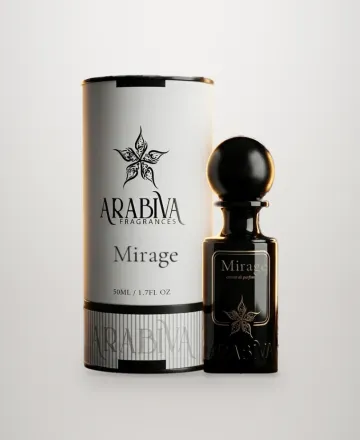
Explore Arabiva perfume oils or browse our oud and musk collection to find a scent that reflects your taste, following the directions for each product. Our Pink October message is to give yourself the care you deserve: awareness of your health, thoughtful everyday choices and a fragrance you enjoy. Fragrances are for enjoyment and personal grooming; they do not prevent or treat breast cancer.
Arabiva's Pink October message
Make room for your wellbeing. Get to know your body, seek advice about a change, and share a thoughtful reminder with someone you care about.
Arabiva editorial team · 7 October 2026. General awareness information based on the linked sources, not a diagnosis or an individual medical plan. Images are generated, symbolic illustrations and do not depict real people or medical cases.